
Affordable Private Personal Training in Waldwick, NJ — How to Choose & Where to Book
Affordable Private Personal Training in Waldwick, NJ —
How to Choose & Where to Book
What affordable private personal training in Waldwick looks like
Affordable private personal training in Waldwick typically runs from about $55–$125 per one-hour session depending on experience and package size; expect 45–60 minute sessions focused on assessment, corrective movement, and progressive strength work. Esteem Biomechanics has plenty of parking, clear pricing packages, and a trial assessment. Book by calling at (201) 637-9833 or by using our online booking form to request a free consultation.
Why choose private personal training in Waldwick (benefits & outcomes)
Private personal training delivers personalized programs for strength, pain reduction, rehab, and sustainable weight loss—especially helpful for adults 40+ who need joint-friendly progressions. Benefits include:
Faster, safer progress with one-on-one coaching and movement correction.
Rehabilitation-focused programming that reduces chronic pain and injury recurrence.
Measurable outcomes: improved mobility, functional strength, reduced pain scores, and better daily function.
Accountability and nutrition guidance to support fat loss or performance goals.
Local trainers often blend gym-based equipment with home exercise plans, ideal for Bergen County residents who want targeted, time-efficient sessions. Recreational athletes and people managing chronic conditions both gain from individualized assessments and long-term progression plans.
How to choose an affordable private trainer — 6 practical steps
Define your goals and budget (Step 1). Pick measurable outcomes (e.g., “lose 10 lb in 12 weeks,” “reduce knee pain by 30%,” “run a 5K”). Set a weekly/monthly budget—examples: $120/week for two sessions or $300–$500/month for a package.
Vet credentials and specialties (Step 2). Check certifications (NASM, ACSM, CSCS), rehab or corrective movement training (Functional Patterns, FMS, PRI), and relevant experience with 40+ clients or chronic pain. Ask for referrals.
Compare pricing models (Step 3). Evaluate single sessions, multi-session packs, and small-group options. Multi-session packs typically lower per-session cost by 10–30%.
Insist on an intake assessment and outcomes tracking (Step 4). A quality trainer performs movement screens, baseline tests, and sets milestone metrics.
Consider location and scheduling (Step 5). Choose a studio with convenient hours, parking, and nearby landmarks or opt for remote coaching when available.
Read reviews, request references, and check safety policies (Step 6). Look at Google, Yelp, Facebook, and ask for client success stories. Verify cancellation, refund, and health-safety policies.
Practical tips for comparison:
Ask for a written plan with measurable short- and long-term milestones.
Request a trial session or money-back guarantee on programs.
Compare the total package value (coaching time + assessments + program updates + nutrition support), not just the sticker price.
Factor trainer specialization into value—rehab-oriented trainers often cost more but reduce re-injury risk.
Step 1 — Define your goals and budget
Start with 1–3 specific goals and a time window (e.g., “improve shoulder ROM by 20% in 8 weeks,” “gain 10 lbs of functional strength in 6 months”). Budget examples:
Low: $55–$80 per session (pay-as-you-go or small studios).
Mid: $80–$110 per session (experienced trainers, small packages).
High: $110–$160+ per session (specialists, corrective rehab).
Decide frequency: 1x/week for maintenance, 2–3x/week for faster change. Monthly budget example: $240–$960 depending on frequency and level.
Step 2 — Vet credentials and specialties
Checklist to verify:
Certifications: NASM, ACSM, ACE, NSCA-CSCS or Functional Patterns certification for biomechanics-based training.
Rehab experience: physical therapy collaborations, corrective exercise certificates, or demonstrated pain-reduction outcomes.
Specialties: working with adults 40+, post-rehab clients, or recreational athletes.
Red flags: no intake assessment, refusal to show credentials, guarantees of “quick fixes,” or hidden fees.
Questions to ask trainers:
“What certifications and continuing education have you completed?”
“Describe a typical assessment and how you track progress.”
“Do you have references from clients aged 40+ with chronic pain?”
“How do you coordinate with medical providers if I’m in rehab?”
Step 3 — Compare pricing models and packages
Common models and sample ranges (Waldwick area benchmarks):
Pay-as-you-go one-hour sessions: $55–$125 per session. Good for flexibility but highest per-session cost.
8–12 session packages (prepaid): $480–$1,000 total; per-session savings of ~10–25%. Example: 10-session pack at $850 → $85/session.
Monthly retainer / subscription (2–3 sessions/week): $350–$1,200/month depending on frequency and trainer level.
Small-group training (3–6 people): $20–$50 per person per session — best value for general fitness, less one-on-one correction.
Hybrid packages: fewer in-person sessions + remote coaching and programming can drop cost while keeping accountability.
Savings examples:
Buying a 12-session pack at $900 reduces per-session cost to $75 vs $95 pay-as-you-go.
Swapping one private session/week for a small-group class can lower monthly cost by 30–50% while maintaining coaching touchpoints.
When comparing, include assessment fees, program updates, and any nutrition coaching. Ask whether tax or studio fees are extra.
Step 4 — Trial sessions, assessments & outcomes tracking
What to expect from a proper trial and assessment:
Initial intake: health history, pain map, goals, and baseline measures (mobility, strength, gait).
Movement screen: posture, joint range, and compensations.
Short trial session: see coaching style and cueing (30–60 minutes).
Tracking plan: measurable milestones (strength tests, pain rating scales, mobility metrics) and scheduled reassessments every 4–8 weeks.
Bring shoes, a list of medications/conditions, and a short video of daily movement if pain is location-specific. A trained coach will give a clear timeline for expected improvements.
Step 5 — Location, scheduling & convenience factors
Local convenience signals to check:
Address visibility: near Waldwick train station, downtown Main Street, or local landmarks (parks, municipal center). Example addresses to look for: “Main St. near Waldwick Station” or “Waldwick Business Park.”
Parking: reserved spots, street parking, or lots.
Hours: early morning and evening availability for working adults; weekend options for busy schedules.
Remote vs in-person: hybrid programs help when travel is difficult; verify video-coaching quality and program updates.
Scheduling flexibility: online booking, waitlist options, and consistent session times to build routine.
Step 6 — Read reviews, request references, and check safety policies
Quick checklist:
Review sources: Google Business Profile, Yelp, Facebook, and Nextdoor for local testimonials.
What to look for: consistent mentions of pain reduction, trainer reliability, and measurable outcomes.
References: ask for 1–2 client contacts or success stories with similar goals.
Safety policies: cancellation fees, emergency protocols, COVID/vaccination policies if relevant, and equipment sanitation.
Local example testimonial: “After six weeks at Esteem Biomechanics in Waldwick, my chronic hip pain dropped by half and I can climb stairs without discomfort — trainer corrected my movement patterns and gave a clear home routine.” — local client (example summary).
Request proof of liability insurance and clear studio policies before committing.
Typical affordable program examples (sample packages & expected results)
1) Pay-as-you-go discovery sessions
Format: Single 45–60 minute private session.
Price range: $55–$125.
Expected results: Immediate movement feedback, initial goal-setting, and a short-term plan. Ideal for testing trainers and getting a baseline.
2) 8–12 session corrective pack (recommended for rehab or targeted goals)
Format: Initial 60–75 minute assessment + 7–11 weekly 45–60 minute sessions.
Price range: $480–$1,000 (pack). Per-session: $60–$90.
Expected results: Noticeable pain reduction, improved mobility, and measurable strength gains over 6–12 weeks with reassessment.
Brand example: Esteem Biomechanics “Foundation 8-Pack” — includes movement assessment, tailored corrective program, and progress review (book a trial to see specific pricing and schedule).
3) Monthly subscription + small-group add-on (value for steady progress)
Format: 2 private sessions/week or 1 private + 2 small-group classes/week.
Price range: $350–$1,200/month (depends on trainer level and group size).
Expected results: Consistent strength gains, better durability, and lifestyle support including nutrition check-ins.
Brand option: Esteem Biomechanics “Performance Monthly” — includes weekly check-ins, nutrition guidance, and priority booking (contact the studio for current packages and availability).
For most adults 40+, a corrective pack (sample 8–12 sessions) or a hybrid monthly plan delivers the best balance of affordability and measurable outcomes. Always ask for expected timelines and what “success” looks like for your specific goal.
Local proof — Where to find private trainers in Waldwick (locations, contacts, quick facts)
Where to search and what to expect:
Local studios and biomechanics-focused trainers: look for small training studios in downtown Waldwick, near the train station, or in nearby business parks. Studios often list addresses like “Main St., Waldwick” or nearby Bergen County landmarks.
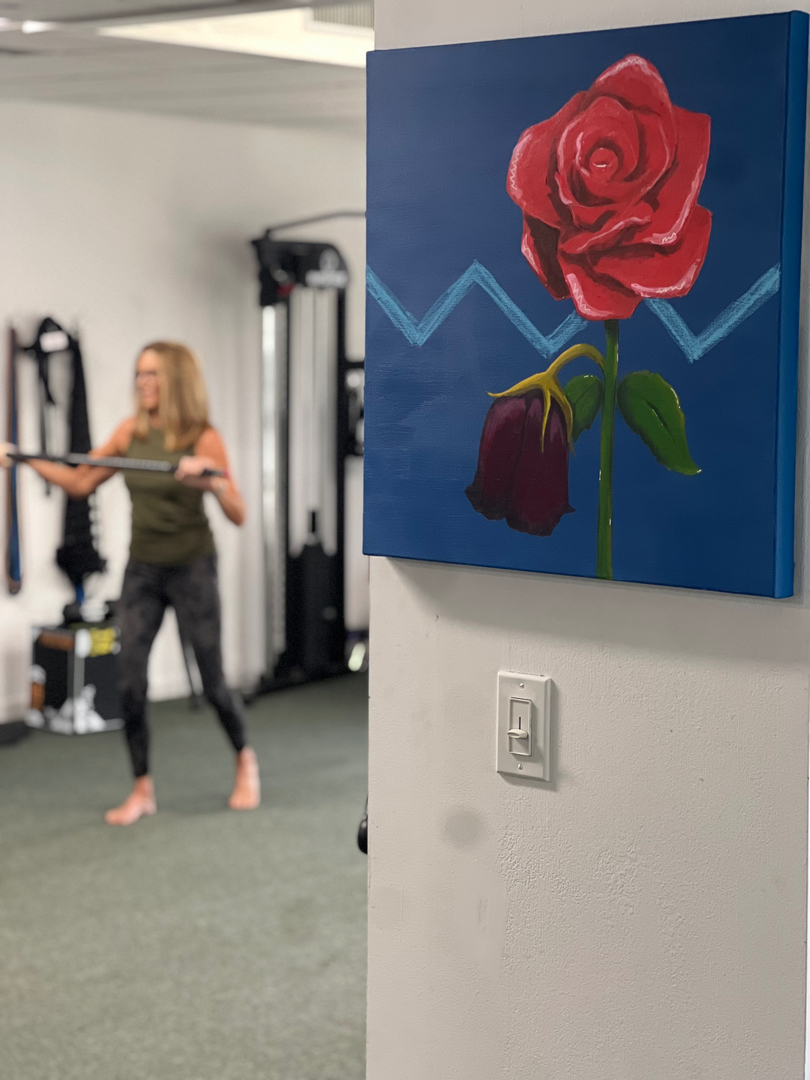
What to expect at a Waldwick gym: movement assessments, one-on-one coaching, a mix of functional equipment (bands, kettlebells, cable machines), and a calm studio atmosphere tailored to adults 40+.
Booking cues: studios usually offer online booking pages, phone reservations, or a free consult request form. Check business hours for early-morning and evening availability to fit work schedules.
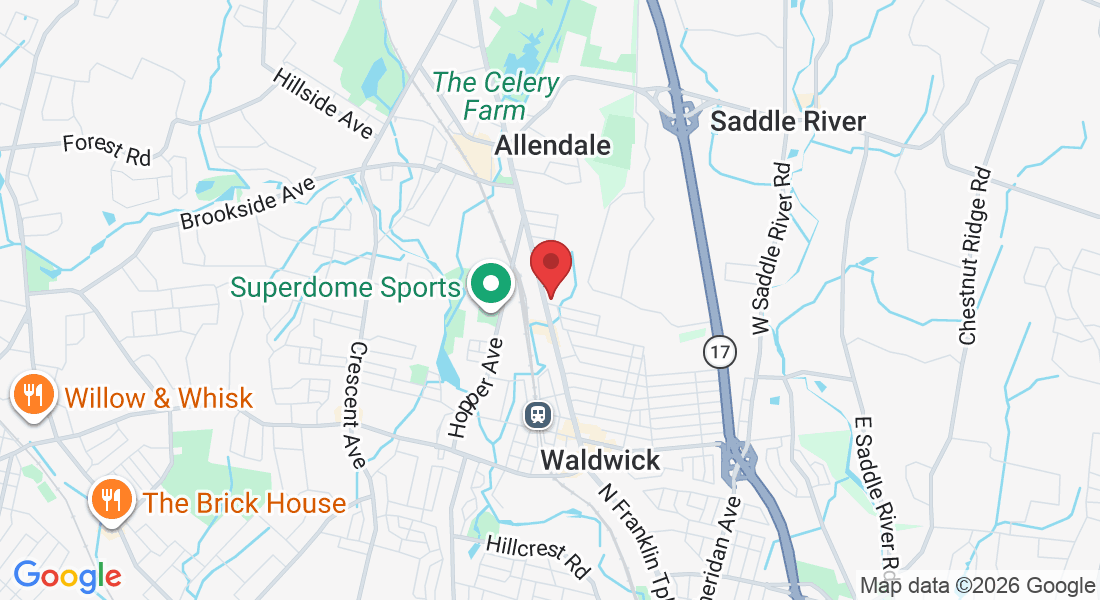
Map guidance: search maps for “private personal trainers Waldwick NJ” or “biomechanics training Waldwick” to find nearby options and confirm parking and transit access.
Quick local directory tips:
Search Google Business Profile for studio hours, photos, and recent reviews.
Check Facebook for community posts and client successes.
Call to confirm assessment length, exact address, and any required intake forms before your first visit.
Frequently asked questions (FAQ)
Q: How much should I expect to pay for a single private session in Waldwick?
A: Expect roughly $55–$125 per 45–60 minute session; experienced rehab specialists sit at the higher end. Package deals lower the per-session rate.
Q: How long until I see improvement in chronic pain?
A: Many clients report measurable improvement in 4–8 weeks with consistent sessions and adherence to prescribed home exercises; severe or long-term conditions may take longer.
Q: What is included in an initial assessment?
A: Health/intake questionnaire, movement screen (posture, joint mobility), functional strength tests, and a goal-setting conversation. Expect a 45–75 minute appointment.
Q: Are there lower-cost options if private training is pricey?
A: Yes—small-group classes, hybrid programs (less frequent private sessions + remote coaching), and community fitness classes reduce cost while keeping coaching elements.
Q: What should I bring to my first session?
A: Athletic shoes, comfortable clothes, list of medications/conditions, and any medical clearance forms if required. A water bottle and a brief activity log help trainers tailor the plan.
Q: How do cancellations and refunds usually work?
A: Policies vary—most studios require 24–48 hours notice for cancellations to avoid fees. Ask for the studio’s written cancellation and refund policy before purchasing packages.
Q: Do trainers work with doctors or physical therapists?
A: Good trainers coordinate with medical providers when needed, especially for rehab clients. Ask if the trainer will consult or accept referrals from your healthcare team.
Q: How do I book a trial or assessment?
A: Use the studio’s online booking form, call the front desk, or email to request a complimentary or discounted discovery session.
Quick checklist & next steps (call-to-action)
Define 1–3 measurable goals and set a weekly/monthly budget.
Shortlist 3 local trainers/studios in Waldwick and compare credentials and specialties.
Request an initial assessment or trial session and review the tracking plan.
Compare package pricing and cancellation policies; look for bundled savings.
Read reviews and ask for a reference from a client with similar goals.
Book your trial session.
Ready to try a biomechanics-driven approach? Book a trial with Esteem Biomechanics in Waldwick — search “Esteem Biomechanics Waldwick” to find current booking options, or contact the studio via their website or call at (201) 637-9833 to schedule an assessment and get directions to the studio.


©2025 Copyright. Esteem Biomechanics. All rights reserved.